

Pediatric Care
Mood Disorders: Depression and Bipolar Disorder
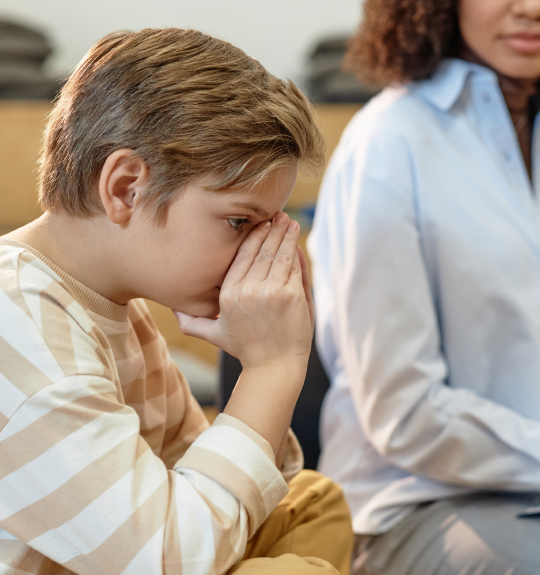
Changes in mood are a normal part of growing up. But for some children and adolescents, persistent depression, emotional highs and lows, or shifts in energy and motivation can interfere with daily life, relationships, and overall well-being.
Our practice provides evidence-based psychotherapy for children and adolescents experiencing mood-related concerns to help them better understand their emotions, build stability, and feel more like themselves again.
Support for Children and Adolescents Experiencing Depression or Mood-Related Concerns
We provide evidence-based treatment for children and adolescents ages 3–17 experiencing mood disorders, including depression and bipolar-related symptoms that interfere with daily functioning. We work closely with families to offer guidance, education, and practical strategies that support children both in therapy and in their daily lives.
Parents often seek care when they notice their child:
- Shows ongoing sadness, irritability, or emotional withdrawal
- Experiences significant changes in mood, energy, or motivation
- Has difficulty enjoying activities they once liked
- Struggles with emotional regulation or noticeable shifts in behavior
Support can be beneficial whether mood concerns have been present for a long time or have developed more recently in response to developmental changes, stress, or life events.

Signs & Symptoms of Mood Disorders
Mood-related concerns can look different for every child or adolescent, and not all signs are easy to notice.
Persistent Sadness or Low Mood
Ongoing sadness, withdrawal, or a lack of emotion.
Loss of Interest or Enjoyment
Reduced interest in activities, hobbies, or social interactions.
Irritability or Emotional Reactivity
Increased frustration, anger, or emotional responses.
Changes in Energy or Motivation
Low energy, fatigue, or difficulty starting tasks.
Sleep Changes
Noticeable changes in sleep patterns or routines.
Changes in Appetite or Weight
Shifts in eating habits or weight without a medical cause.
Difficulty Concentrating
Difficulty focusing on tasks or schoolwork.
Emotional Highs and Lows
Periods of elevated mood followed by emotional lows.
Expert Psychological Care Designed Around Your Child
Evidence-based psychotherapy is tailored to your child and may include:
Developmentally appropriate cognitive and behavioral strategies
Skills for emotional awareness, regulation, and coping
Support for building routine, structure, and healthy habits
Strategies to strengthen communication, problem-solving, and resilience
Your child’s care includes collaboration with parents, caregivers, schools, and other professionals when appropriate. Our goal is to help your child better understand their emotions, build stability, and feel supported at home, school, and beyond.
Our Process & Support
Initial Consultation
A supportive conversation where parents and children share their concerns and goals to establish trust and help guide treatment decisions.

Evaluation & Assessment

Your child’s clinician develops a collaborative, individualized treatment plan and discusses whether formal assessments may be helpful.
Treatment & Ongoing Support
Treatment focuses on building emotional stability over time, with regular progress reviews and collaboration with families and schools when appropriate.