

Pediatric Care
Anxiety Disorders & Stress-Related Concerns
Anxiety is a normal and expected part of childhood and adolescent development. It can help children stay safe, motivated, and aware of their surroundings. However, when anxiety becomes persistent, intense, or difficult to manage, it can interfere with daily functioning, affecting school, relationships, sleep, and overall well-being.
Our practice provides specialized psychotherapy for children and adolescents experiencing anxiety and stress-related difficulties. We also offer parent-only therapy for childhood anxiety, supporting caregivers in responding to anxiety in ways that promote confidence, independence, and healthy coping.
Across services, our goal is to help children and families reduce anxiety-driven patterns, strengthen emotional regulation, and support a return to healthy, age-appropriate functioning.
Support for Children and Adolescents Experiencing Anxiety
We provide evidence-based treatment for children and adolescents ages 3–17 who are experiencing anxiety disorders or stress that interferes with daily functioning. We work closely with families to offer guidance, education, and practical strategies that support children both in therapy and in their daily lives.
Parents often seek care when they notice their child:
- Appears overwhelmed by worry, fear, or stress
- Has difficulty coping with changes, transitions, or expectations
- Avoids situations that feel uncomfortable or anxiety-provoking
- Experiences emotional or physical distress related to stress or fear
Support can be beneficial whether anxiety has been present for a long time or has developed more recently in response to school, social, family, or life changes.

Signs & Symptoms of Anxiety & Stress
Excessive Worry
Persistent fears or worries that are hard to control.
Avoidance
Avoiding situations, activities, or places that trigger anxiety.
Physical Complaints
Frequent physical symptoms appear without a clear medical cause.
Restlessness or Feeling On Edge
Tension, fidgeting, or difficulty relaxing.
Sleep Difficulties
Trouble falling asleep, staying asleep, or frequent nightmares.
Difficulty Concentrating
Difficulty focusing on tasks or schoolwork.
Irritability or Emotional Outbursts
Easily frustrated, tearful, or emotionally overwhelmed.
Separation Distress
Difficulty separating from parents or caregivers.
Anxiety and stress can affect children in different ways. Some signs are easy to recognize, while others may be more subtle.
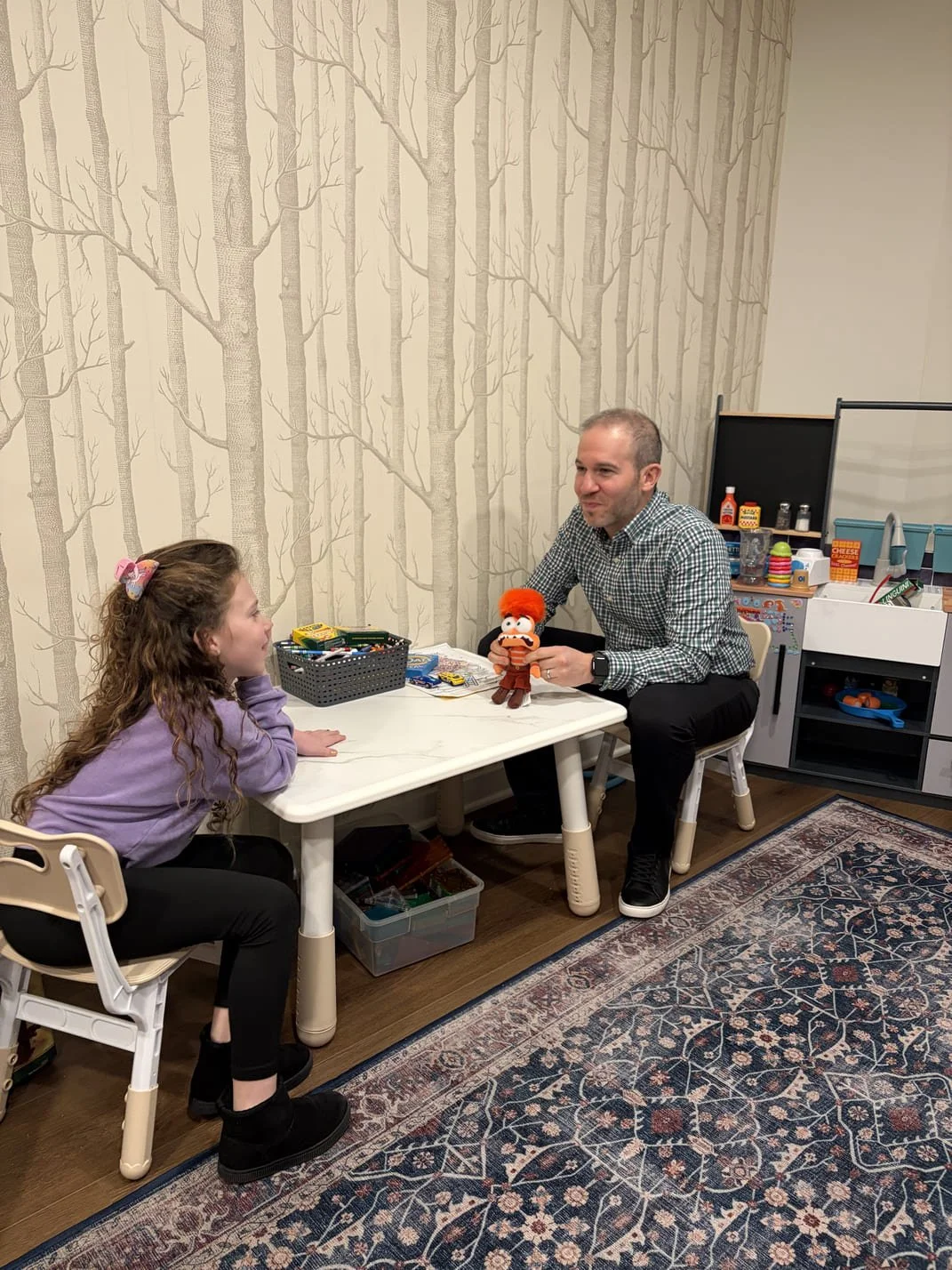
Expert Psychological Care Designed Around Your Child
Evidence-based psychotherapy is tailored to your child and may include:
Age-appropriate cognitive-behavioral strategies
Skills for emotional regulation, coping, and stress management
Gradual exposure and confidence-building approaches
Strengthening communication and problem-solving skills
Your child’s care includes collaboration with parents, caregivers, schools, and other professionals when appropriate. Our goal is to help your child understand their feelings, develop healthy coping skills, and feel supported at home, school, and beyond.
Our Process & Support
Initial Consultation

A supportive conversation where parents and children share their concerns and goals to establish trust and help guide treatment decisions.
Treatment Planning & Assessments
Your child’s clinician develops a collaborative, individualized treatment plan and discusses whether any formal assessments would be helpful.

Treatment & Ongoing Support
Treatment focuses on building skills and confidence over time, with regular progress reviews and collaboration with families and schools when appropriate.