

Pediatric Care
Grief, Bereavement & Adjustment to Loss
Experiencing loss is a natural part of life, but for children and adolescents, loss can feel confusing, overwhelming, or difficult to process. Grief may follow the death of a loved one or pet, but it can also arise from changes such as a move, separation, changes in family structure, or the loss of friendships or routines.
Our practice provides compassionate, evidence-based psychotherapy to support children and adolescents as they process loss, adjust to change, and find ways to move forward while honoring their experiences.
Support for Children and Adolescents Experiencing Grief or Loss
We provide evidence-based support for children and adolescents ages 3 - 17 who may be struggling with grief, bereavement, or difficulty adjusting to significant changes or losses in their lives.
We work closely with families to understand each child’s experience and offer guidance, education, and support. This provides parents and caregivers with the knowledge and practical strategies needed to support their child’s grief in a healthy, developmentally appropriate manner.
Parents often seek care when they notice their child:
- Shows sadness, withdrawal, or changes in mood following a loss or change
- Has difficulty talking about what happened or expressing emotions
- Exhibits changes in behavior, routines, or school performance
- Appears anxious, confused, or distressed during transitions or reminders of loss
Support can be helpful whether a loss is recent, happened a long time ago, or involves ongoing adjustments to a child’s environment or relationships.

Signs & Symptoms of Grief and Adjustment Difficulties
Grief can affect children in different ways, and reactions to loss may change over time.
Sadness or Tearfulness
Frequent sadness, crying, or emotional withdrawal.
Withdrawal or Isolation
Pulling away from friends, family, or activities.
Behavioral Changes
Increased irritability, regression, or acting out.
Changes in Sleep or Appetite
Noticeable shifts in sleep patterns, appetite, or energy.
Physical Complaints
Headaches or stomachaches without a clear medical cause.
Difficulty Concentrating
Trouble focusing at school or on tasks.
Anxiety or Fearfulness
Increased worries about safety or separation.
Strong Reactions to Reminders
Emotional responses to certain places, dates, or memories.
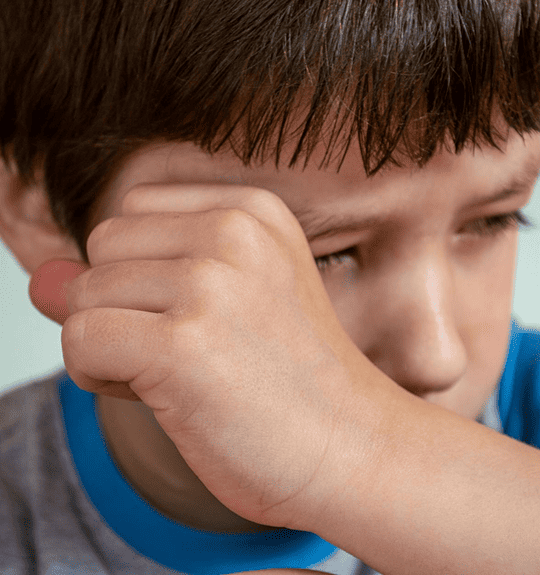
Expert Psychological Care Designed Around Your Child
Evidence-based psychotherapy is individually tailored to your child and may include:
Age-appropriate ways to understand and express grief
Skills for coping with strong emotions and changes in routine
Support for building resilience and emotional regulation
Guidance to help children maintain connection while adjusting to change
Care may include collaboration with parents, caregivers, schools, or other professionals when appropriate. Our goal is to help children process loss in healthy ways and feel supported as they adapt to change.
Our Process & Support

Initial Consultation
A supportive conversation where parents and children share concerns and goals to establish trust and help guide treatment decisions.

Clarifying Needs & Planning Support

Your clinician works with you to clarify needs and develop a supportive plan tailored to your child’s experience and development.
Ongoing Support & Adjustment
Care focuses on helping your child express emotions, build coping skills, and adjust to change over time.